NewsByte


NewsByte:

US and China lead investments in artificial intelligence start-ups

Total estimated investments in AI start-ups ($ billion), 2011-2017
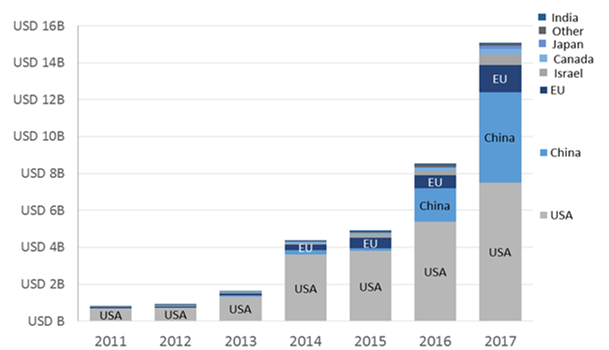
Total estimated investments in AI start-ups ($ billion), 2011-2017

Private investment in artificial intelligence (AI) start-ups is growing, mainly in the US and China, according to an OECD analysis of Crunchbase data.

Mind the gap: EU members struggling to meet 2020 renewable energy targets

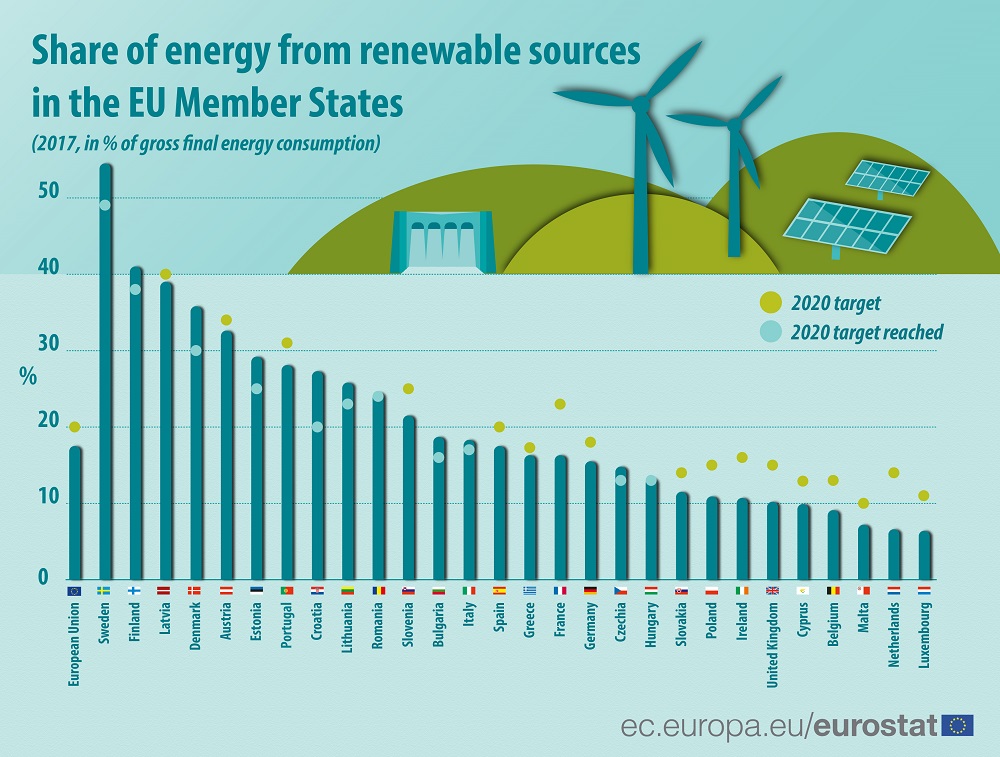
Mind the gap: EU members struggling to meet 2020 renewable energy targets

Fewer than half of EU’s member states have reached their national 2020 targets for energy consumption from renewable sources. According to the latest Eurostat data, 17 member states were still falling short of their targets in 2017. 

Eurostat: 41% of scientists and engineers in the EU are women

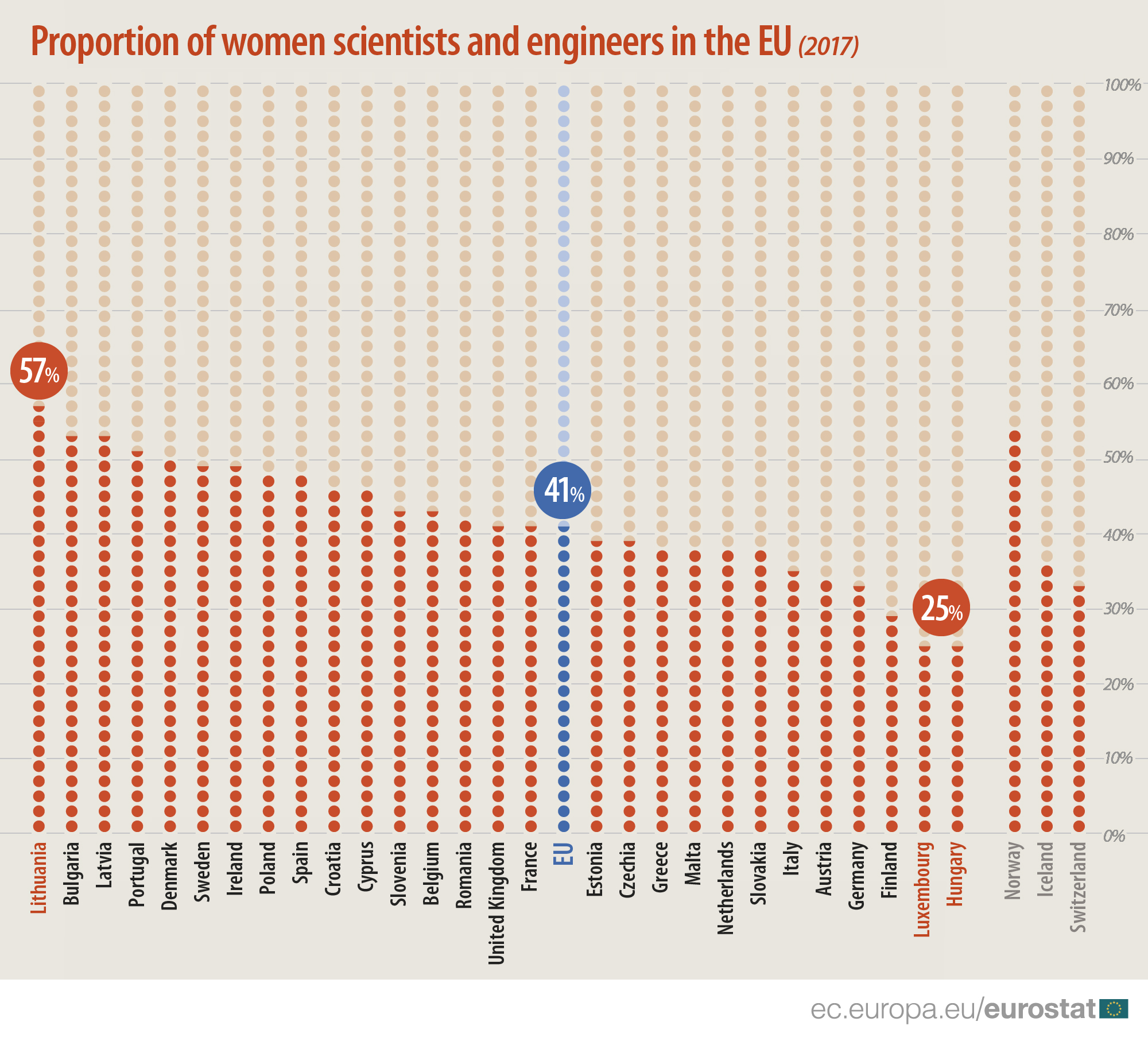
Of EU’s scientists and engineers 41% are women

According to Eurostat data, in 2017, 41 per cent of EU’s 18 million scientists and engineers were women.

Men are particularly overrepresented in high and medium-high technology manufacturing, only 17 per cent of scientists and engineers in these sectors are female.

EU has fewer unicorns than US and China

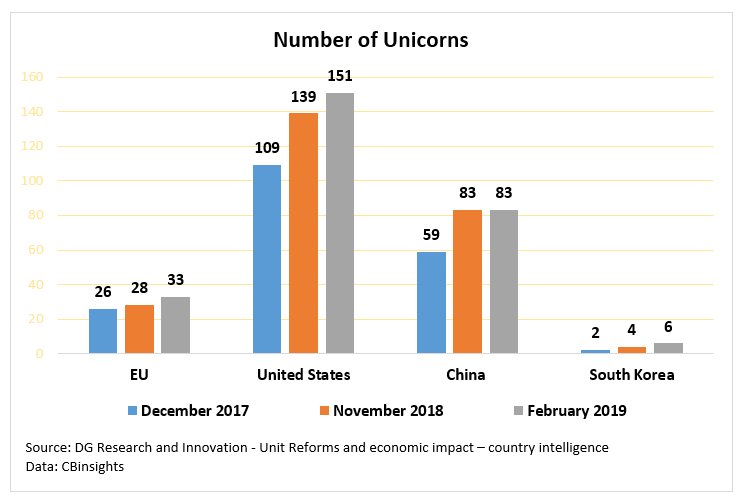
unicorns

The European Union has fewer billion-dollar companies it can brag about. The latest Commission analysis based on CBinsights data shows the US has five times as many unicorns as the EU, while China has 2,5 times more.

Fourfold increase in self-driving technologies patents

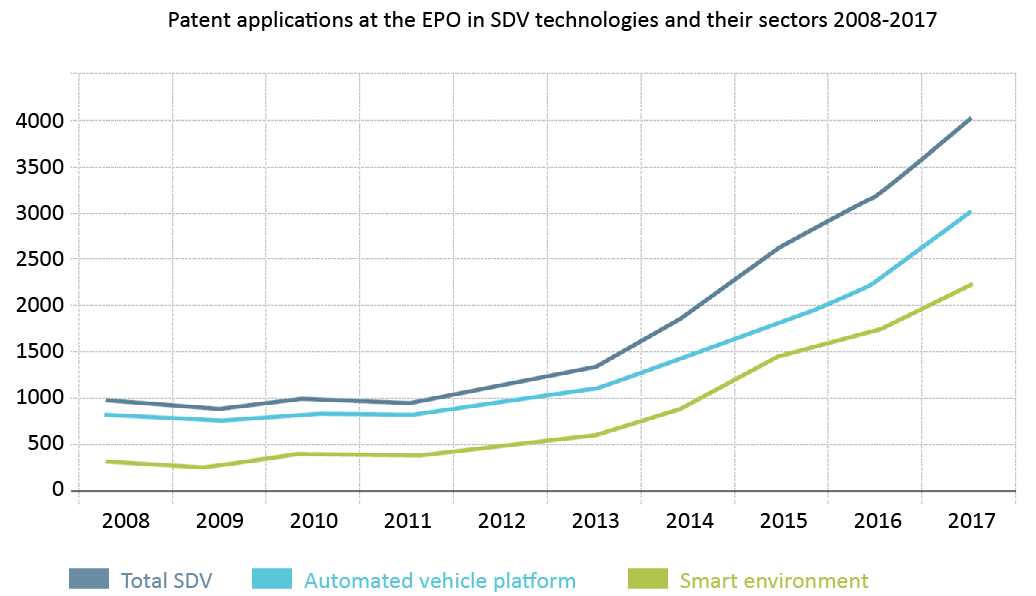
Fourfold increase in self-driving technologies patents

From 2011 to 2017, European patent applications for automated driving technologies increased fourfold, according to the latest data from the European Patent Office (EPO). This is by far the largest increase in the number of patents, with EPO reporting a 16 per cent increase across all technologies in the same period.

A quarter of EU’s large companies use robots

A quarter of EU’s large companies use robots

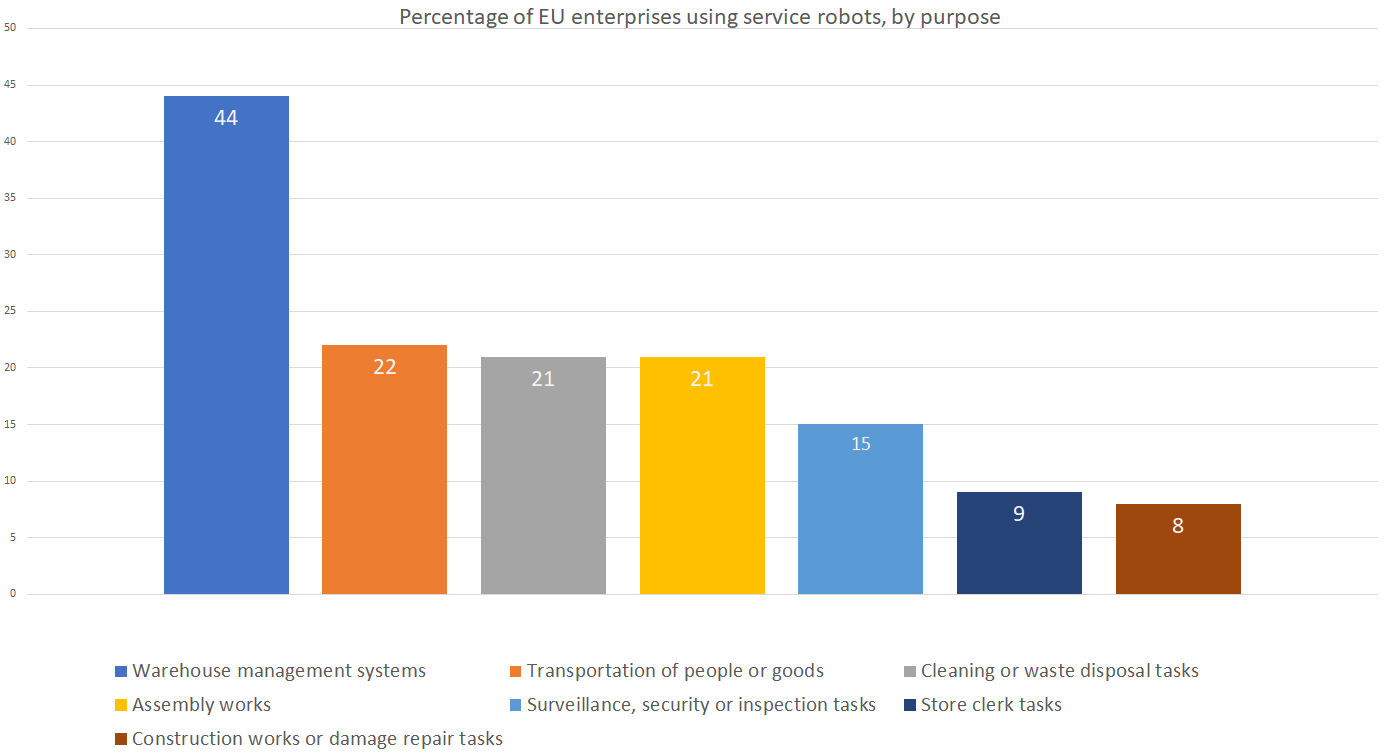
More than 25 per cent of EU companies employing 250 people or more are using some kind of robots, according to the latest data from Eurostat. In 2018, 12 per cent of medium enterprises used industrial or service robots, while only 5 per cent of small enterprises used them.

Romania is Europe’s worst performer in research and innovation

Romania is Europe’s worst performer in research and innovation

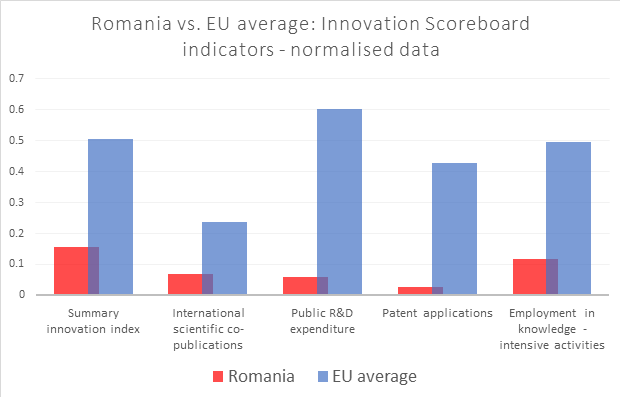
Romania just took over the reins of the EU Council, holding a mandate to help member states reach a decision over EU’s post-2021 budget and the size of its research and innovation purse.

Chinese corporate R&D spending up 20% in one year

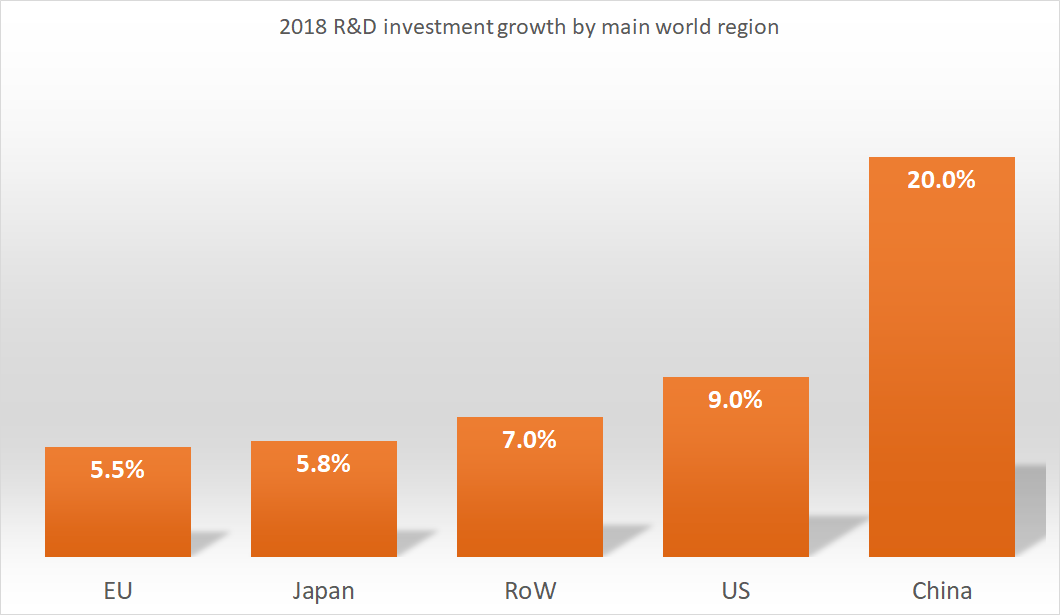
2018 R&D investment growth by main world region

Corporate R&D spending in China is growing at a faster pace than anywhere else in the world, according to the 2018 edition of the EU Industrial R&D Investment Scoreboard.

Money flowing into European AI companies

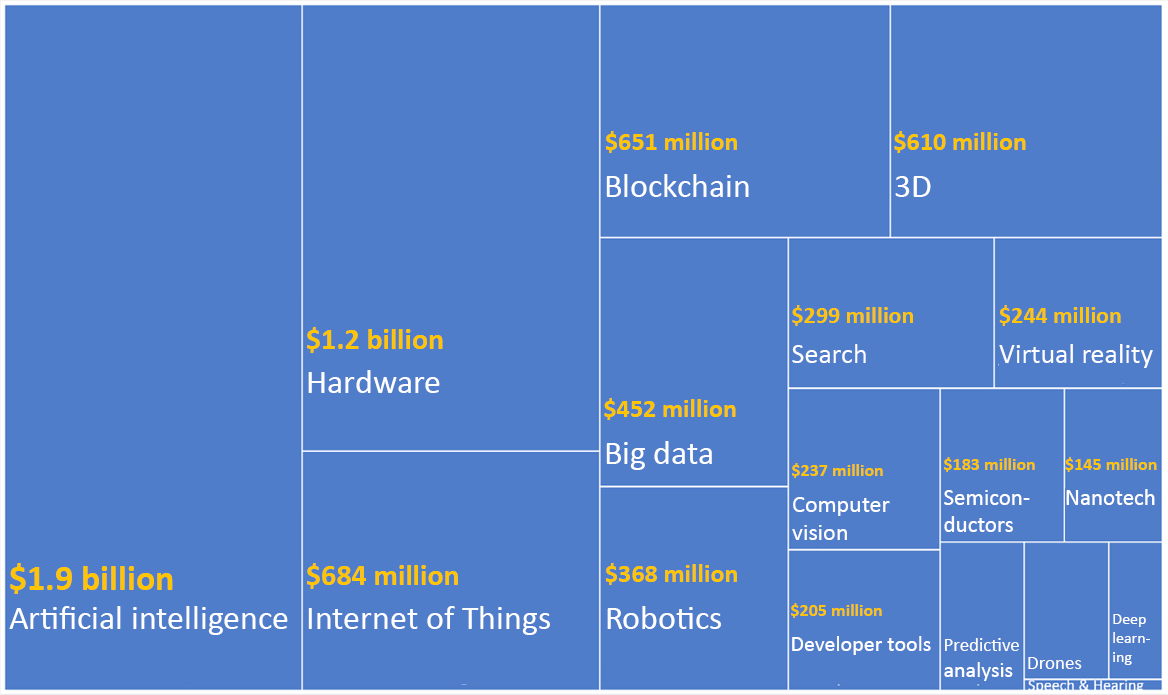
Artificial intelligence continues to dominate investments in Europe’s tech sector

More capital flows into artificial intelligence (AI) companies than in any other ICT sector in Europe, according to a report by London-based technology investment firm Atomico.

China gets ahead in supercomputer race

According to the latest Top500 data on supercomputing capabilities, the share of installations based in China continues to increase, with the country now hosting 227 systems, or 45 per cent of the total number of installations world-wide.

However, while China has the most systems, the US still dominates in terms of performance. Two systems at the US Department of Energy (DOE) rank first and second in the world: the Summit supercomputer at Oak Ridge National Laboratory, and Sierra at Lawrence Livermore National Laboratory.

The number of US-based supercomputers continues to decline, reaching in November 2018 an all-time low of 109, 22 per cent of the total.

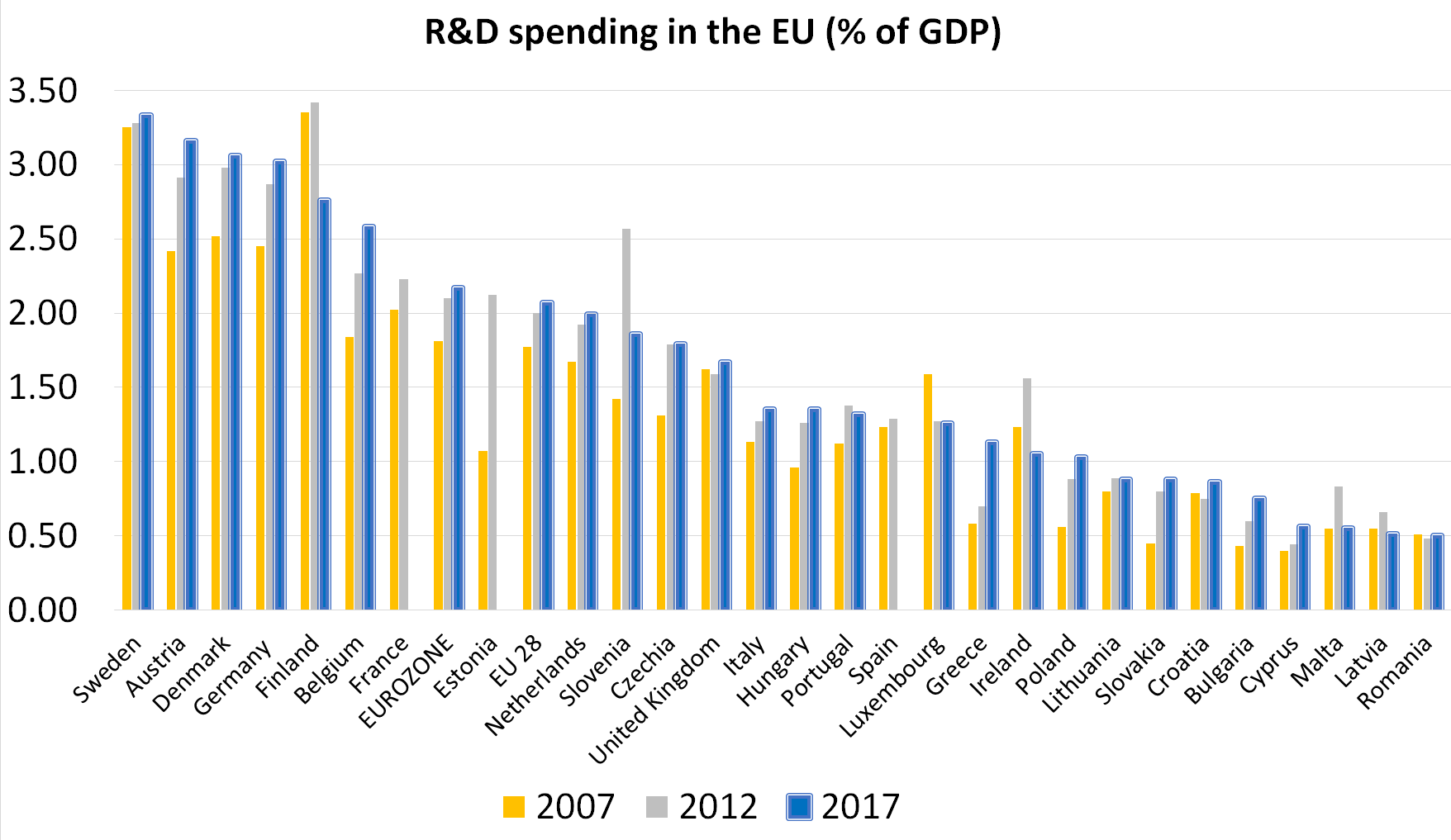
Overall EU R&D spending continues to rise, despite falling public investment

R&D spending

European R&D spending as a percentage of GDP continued its steady climb to a ten-year high in 2017, despite no increase in spending by European governments, universities, or non-profits. Businesses alone account for the rising investment.

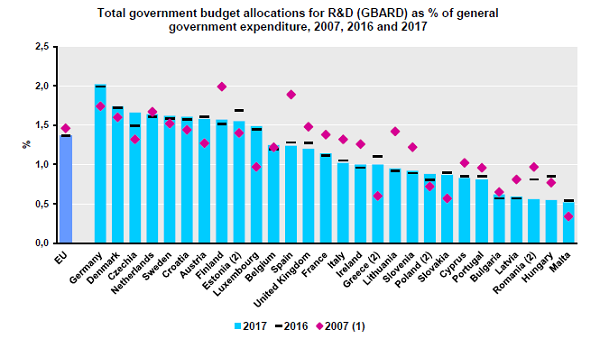
Public R&D expenditure falls in several member states

Public R&D expenditure falls in several member states

Public R&D expenditure growth is uneven across EU’s member states, the latest Eurostat data shows. Between 2007 and 2017, government R&D budgets shrunk in several member states. The countries that spend less now than in 2007 are Finland, Spain, UK, France, Italy, Ireland, Lithuania, Slovenia, Cyprus, Portugal, Latvia, Romania and Hungary.

Crick scientists unlikely to stay in the UK because of Brexit

Researchers at the Francis Crick Institute, UK’s largest biomedical research lab, say they are much less likely to remain in the UK when looking for their next career step, according to an in-house survey published on October 22.

Half of them say they are less likely to stay in the UK when they leave the institute, while only 7 per cent are confident that the UK will continue to attract top scientific talent.

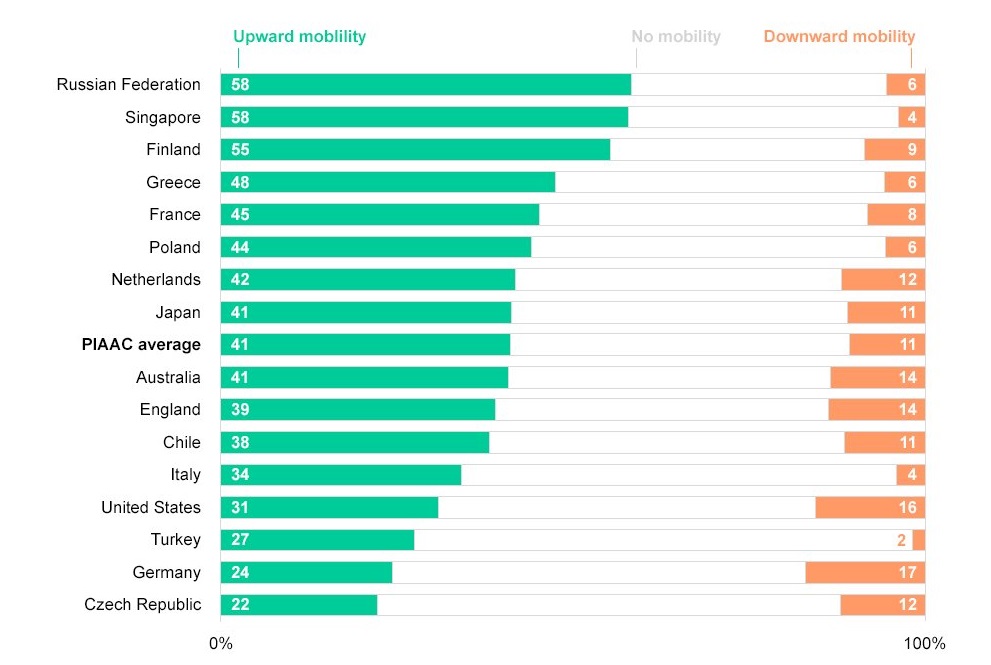
Education as a ladder

OECD - educational mobility
Educational mobility across generations: Percentage of adults reporting higher, lower or the same educational attainment than/as their parents

Uptake of digital technologies in European industry: Poor, and uneven

So we’re all on line these days, with Twitter, Facebook, smartphones and the rest? Maybe at home – but not necessarily at work.

That’s the conclusion of a downbeat report on digital technology uptake in Europe, by the Organisation for Economic Cooperation and Development. In studies across Europe of ICT usage in companies of 10 or more employees, the OECD found virtually all businesses have broadband connections these days, but many don’t appear to use them for anything fancier than email or browsing.

EU scrapes a pass on its 2020 education test

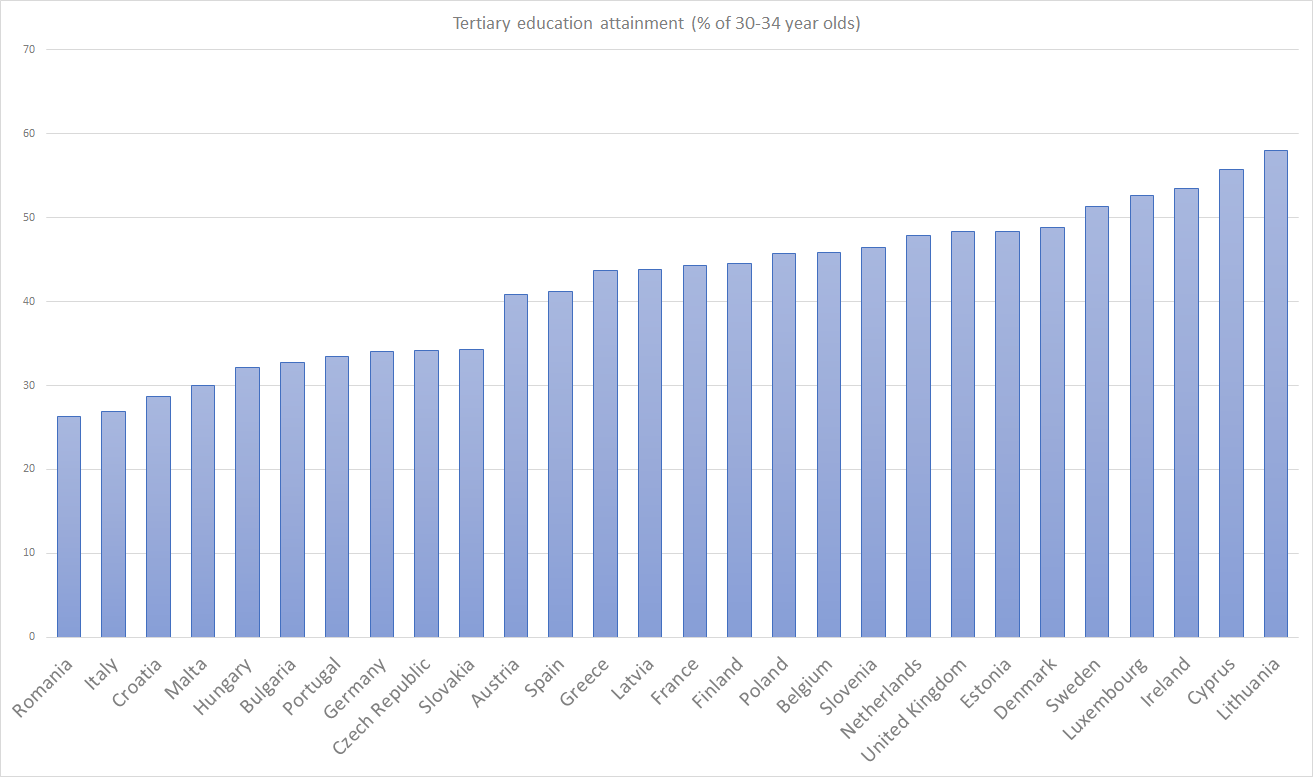
hgher-education-attainment

The European Commission gave out extra homework to member states that are lagging behind EU 2020 goals for education performance, calling for reforms and higher spending on education in countries with low numbers of people gaining university degrees and poor skills in reading, maths and science.

Higher national R&D spending makes for better results in Horizon 2020

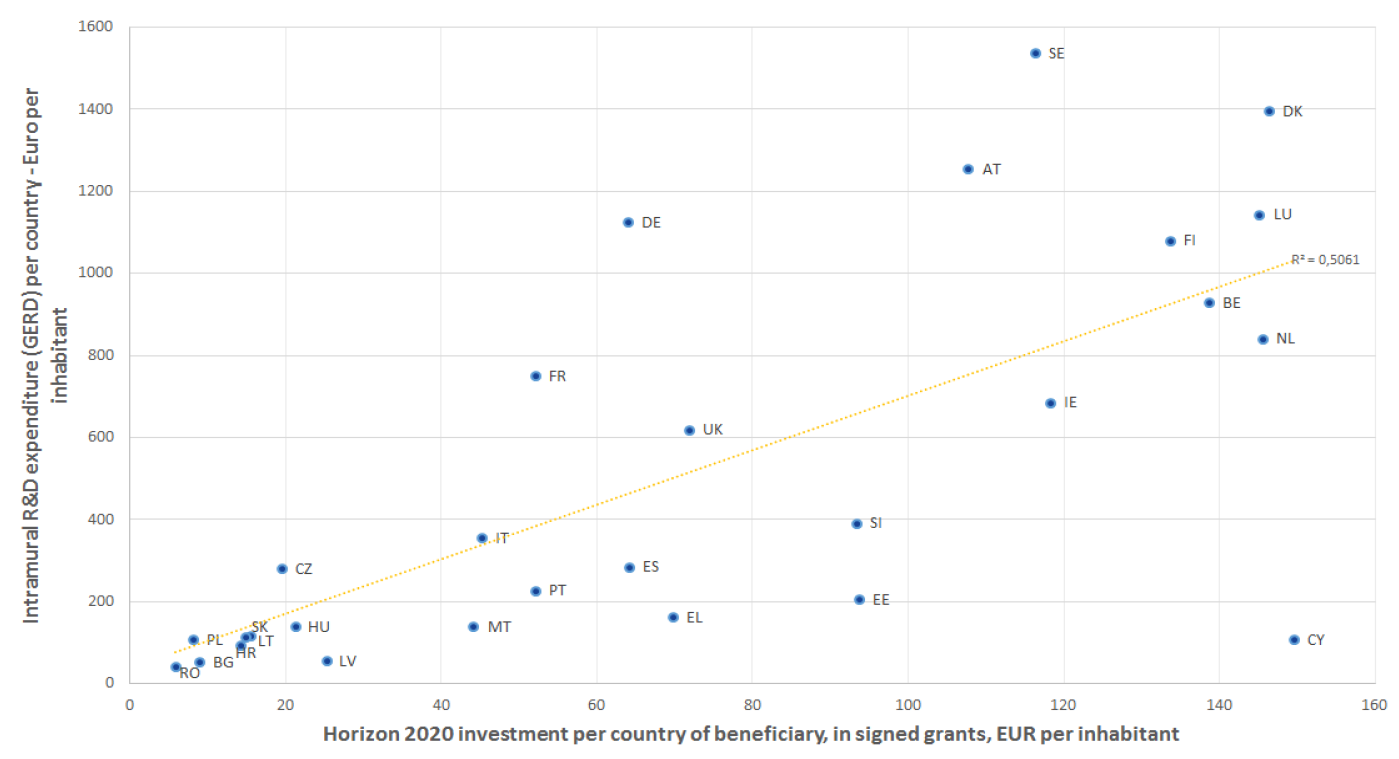
Higher national R&D spending makes for better results in Horizon 2020The more a country spends on research and development, the more successful it is in getting EU research grants under Horizon 2020.

According to European Commission data, a country’s national R&D capacity is directly proportional to its success rate in EU’s research programmes.

New member states get more EU research money, but not enough to close innovation gap

The group of 13 member states that joined the EU since 2004 received 30 per cent more research funding under Horizon 2020 than under the previous programme, Framework Programe 7, according to a monitoring document published by the European Commission.

According to the Commission, more than half of both Horizon 2020 and FP7 funds went to research organisations located in Germany, the UK, Spain, France and Italy. These countries have the largest national research and innovation systems in the EU.  

Which scientists travel the most? Europeans, survey finds

In the 21st century, science is one of the world’s most mobile professions. Researchers travel short-term for conferences or meetings, and many relocate to another country for their research. An online survey of 2,465 researchers in 109 countries, by Rand Europe for the Together Science Can campaign and the Wellcome Trust, found Europeans are the biggest travellers – and 48% of the researchers surveyed had trained or worked in another country for at least one year. Nearly all of them – 96% - said research benefits when people move.