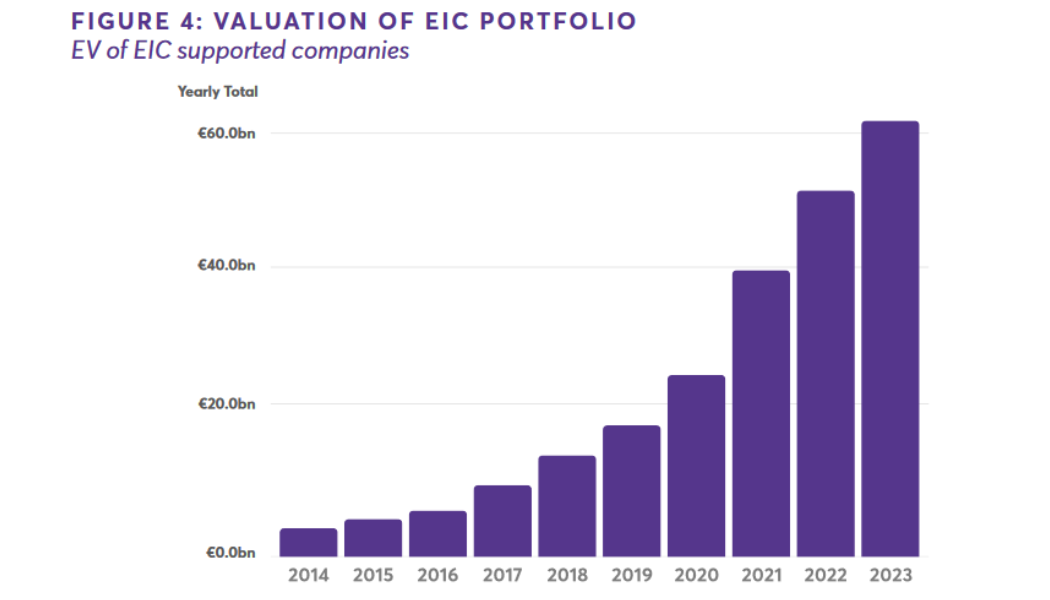
The European Innovation Council (EIC) announced that the total portfolio value of EIC supported companies has surged to nearly €70 billion at the end of 2023, marking a substantial €20 billion increase in just a year.

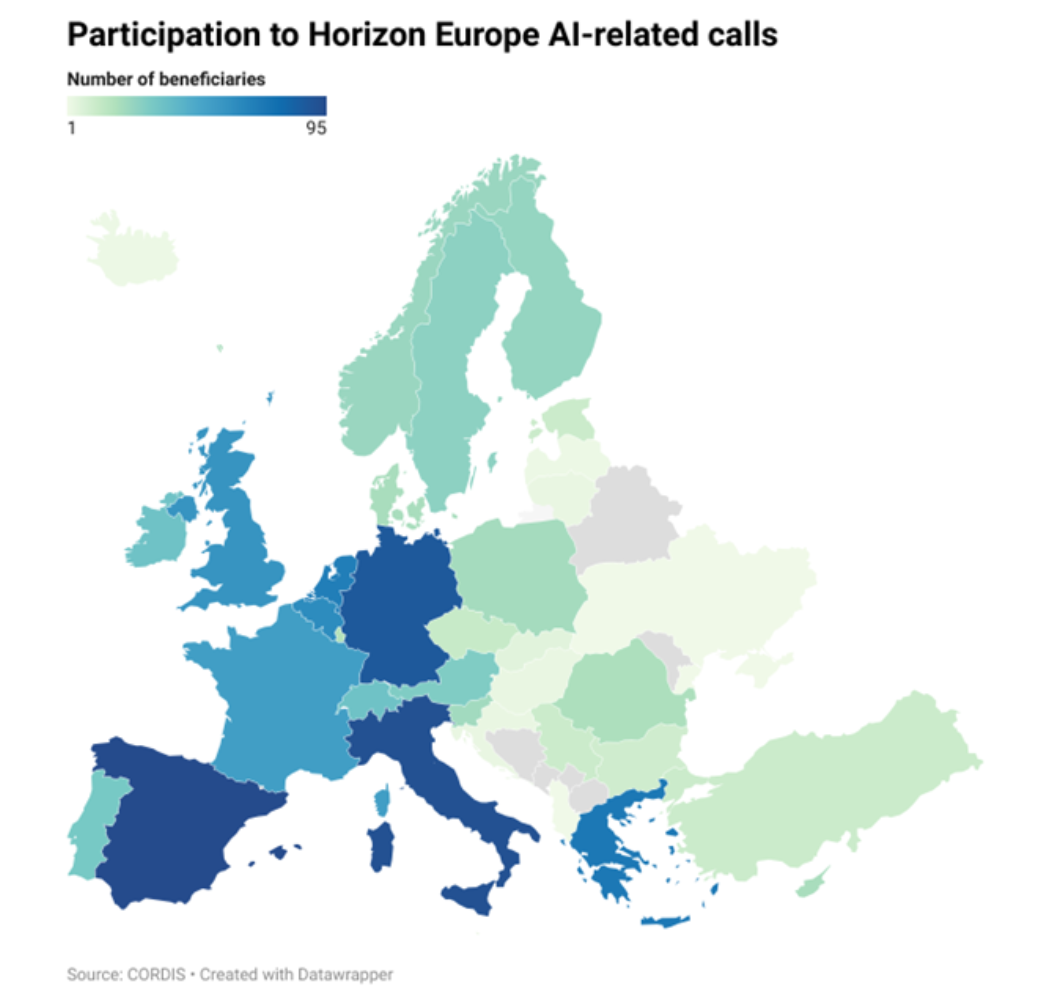
The EU may have adopted a cohesive R&I strategy for artifical intelligence but participation and funding relating to Horizon Europe AI initiatives paint a geographically imbalanced picture, with disparities starkly evident in eastern member states.
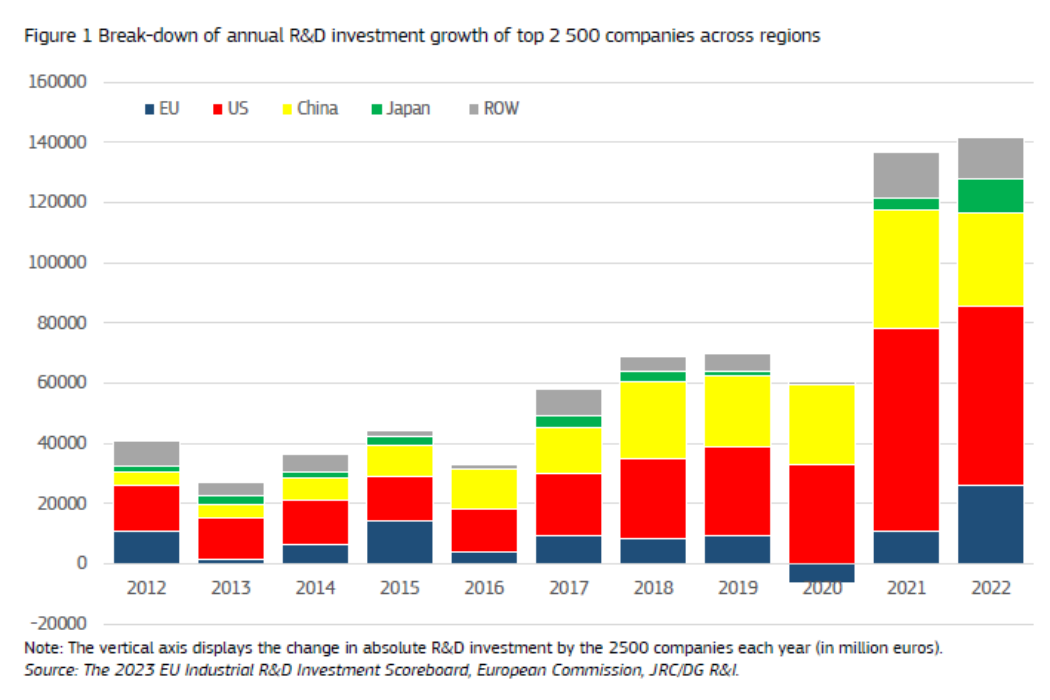
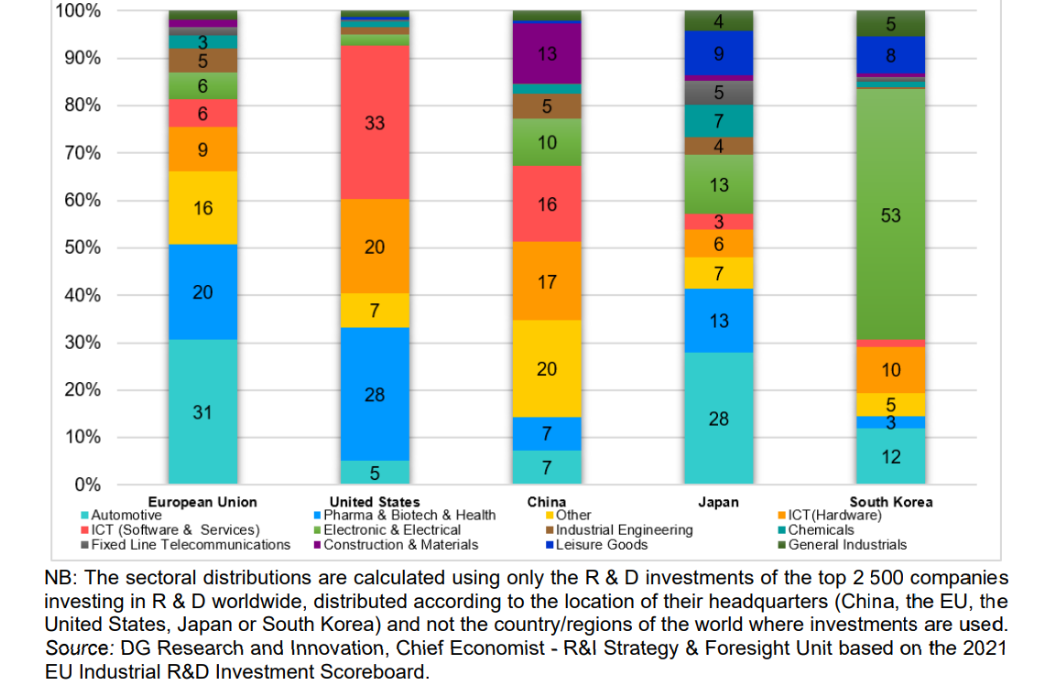
The EU’s biggest private spenders on research and development significantly increased their investment in 2022, but the overall amount remains far short of that invested by Chinese and US companies.
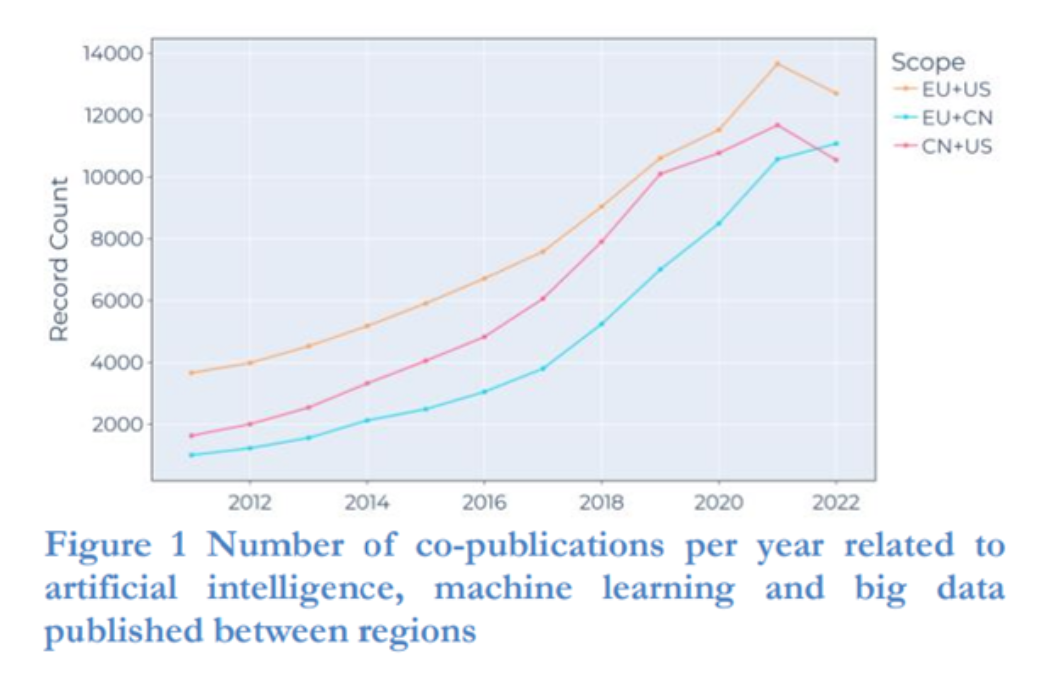
Europe has leapfrogged the US to become China’s biggest research partner in the fields of artificial intelligence, machine learning and big data, according to a new analysis.
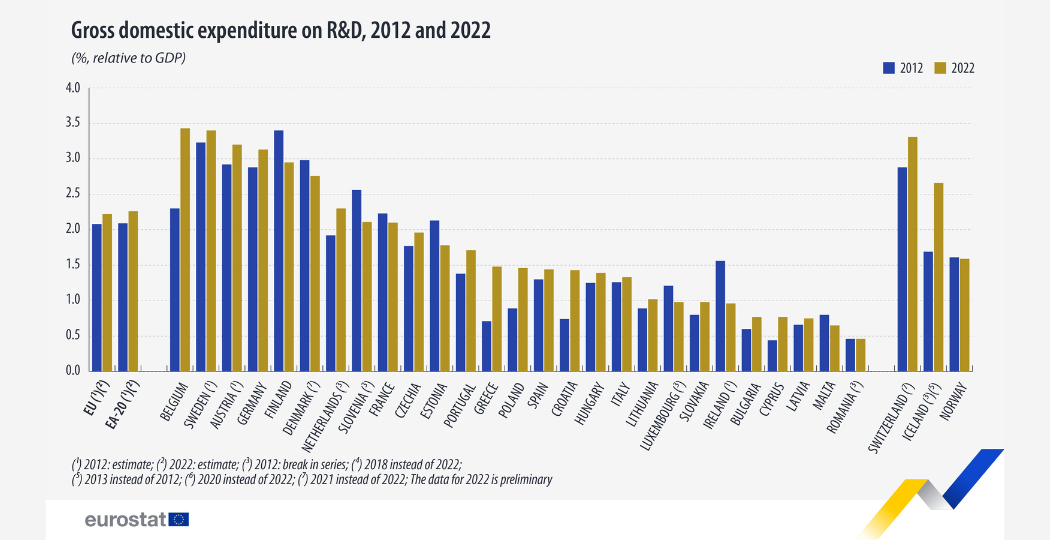
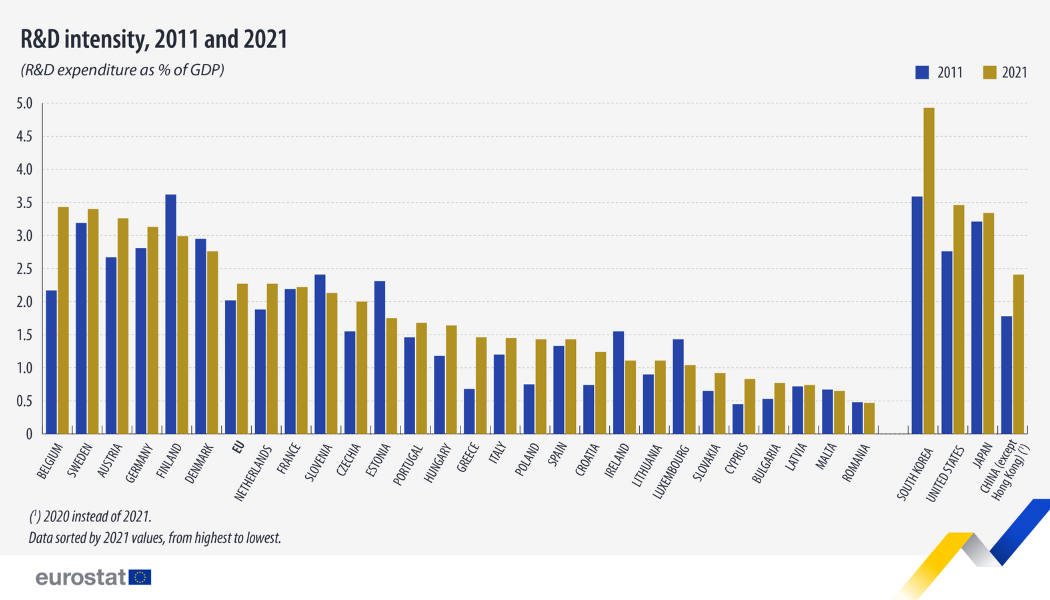
Spending on research and development in the EU was €331 billion in 2021, an increase of around €21 from the previous year, according to newly finalised figures published by the European Commission on 4 October.
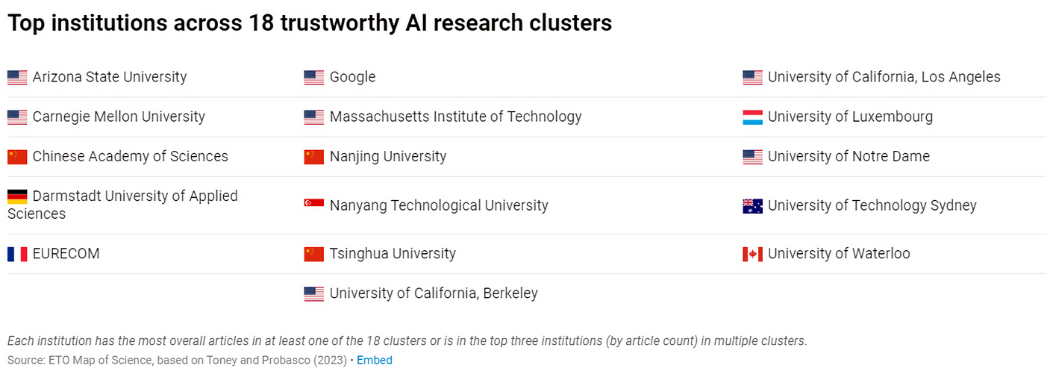
The EU boasts three of the world’s top 18 centres of trustworthy artificial intelligence research, according to a US-based technology tracker.
Trustworthy AI generally refers to research into how to make the technology explainable, unbiased, reliable, safe or transparent. As AI develops at a rapid pace, there’s a growing need from policymakers, companies and consumers for more research in this area.
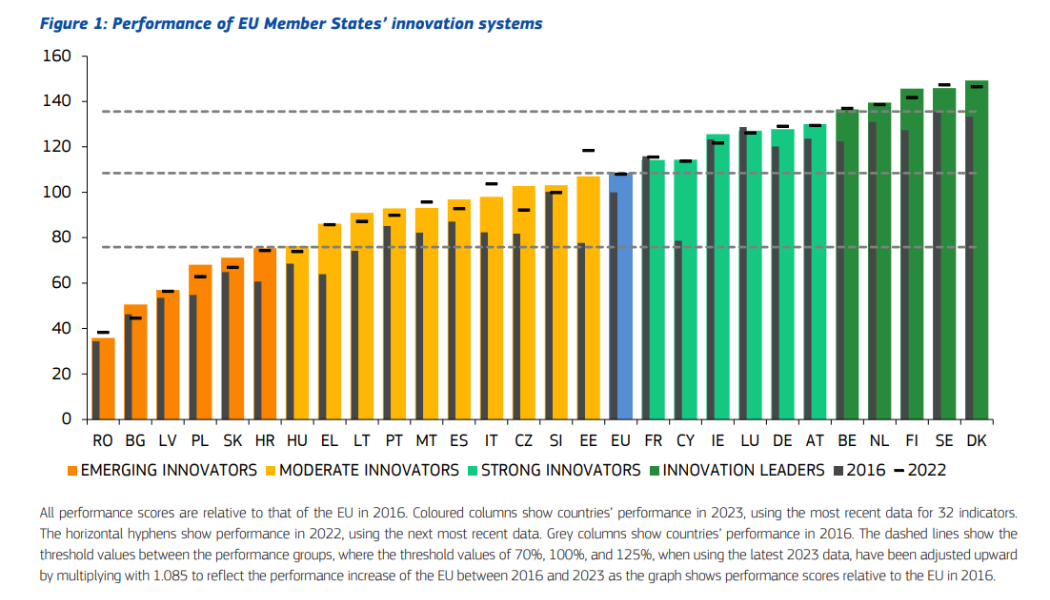
The Commission’s latest annual European Innovation Scoreboard (EIS), published today, shows that the EU’s weaker performers are failing to close the gap on better performing countries.
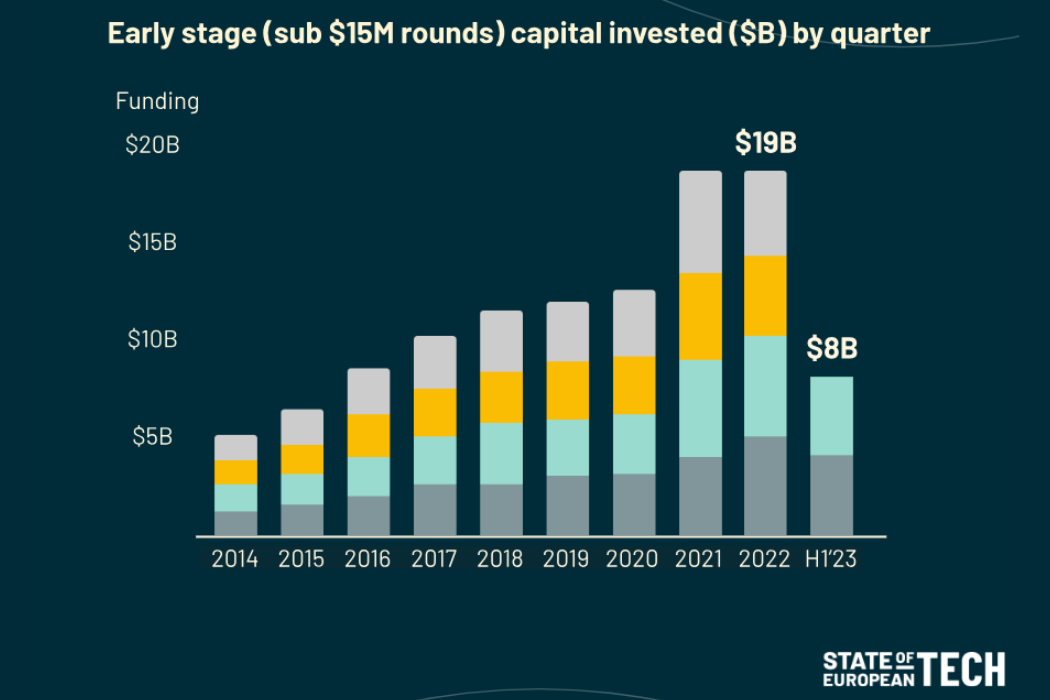
Data is as of 15 May 2023, with H1 figures extrapolated linearly. Excludes the following: biotech, secondary transactions, debt, lending capital and grants. Source: Atomico (powered by Dealroom.co and Crunchbase)
The EU is lagging behind its international competitors in terms of the proportion of private sector R&D, according to a European Commission analysis carried out to set the scene for the strategic plan for the Horizon Europe research programme from 2025 – 2027.
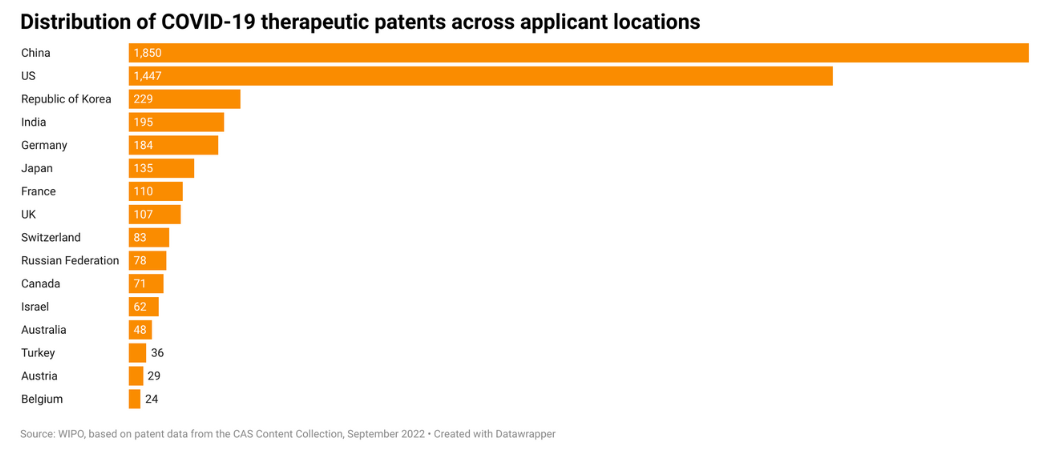
Chinese innovators have filed the most patents on COVID-19 vaccines and therapeutics, according to the latest patent landscape report by the World Intellectual Property Organization.
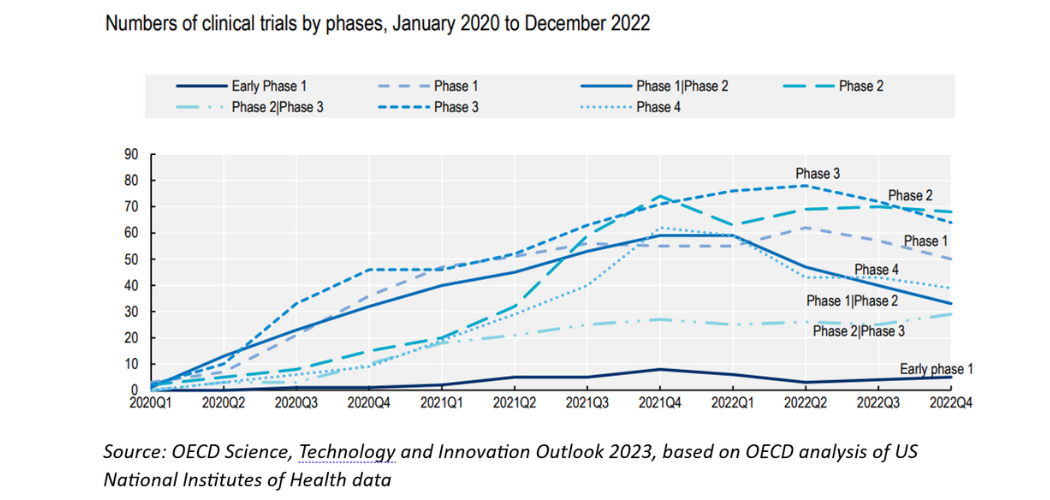
Across the globe, the number of early-stage trials of new COVID-19 vaccine candidates has slowly started to taper off, according to a report by the Organisation for Economic Cooperation and Development.
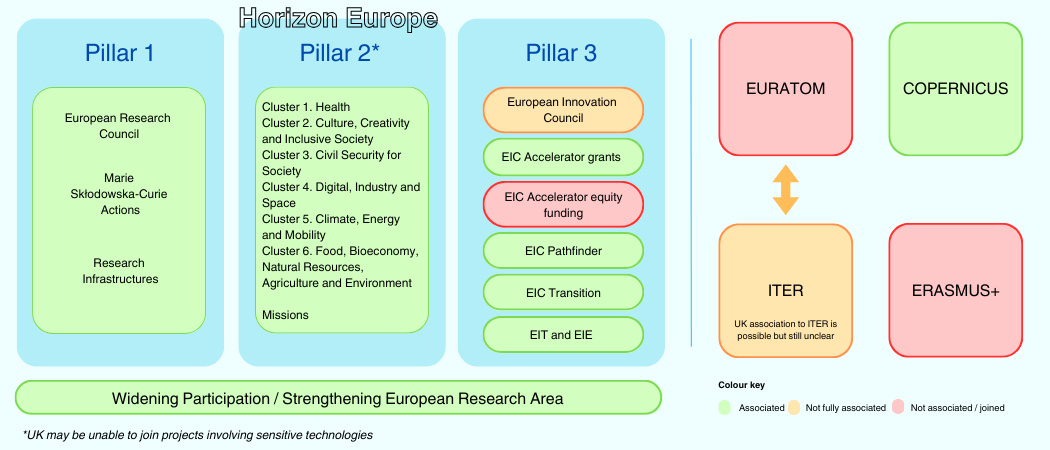
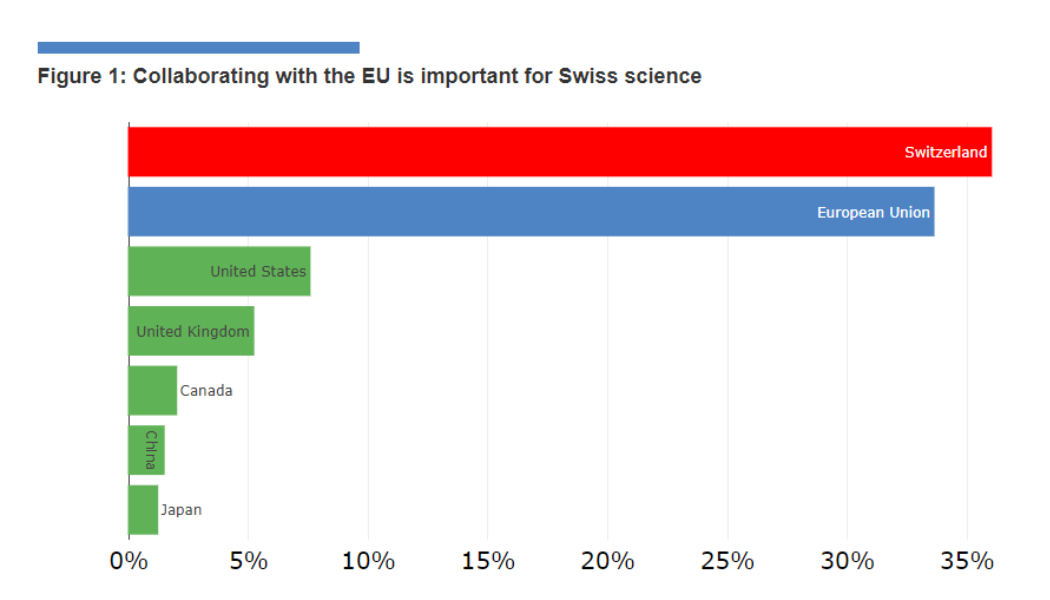
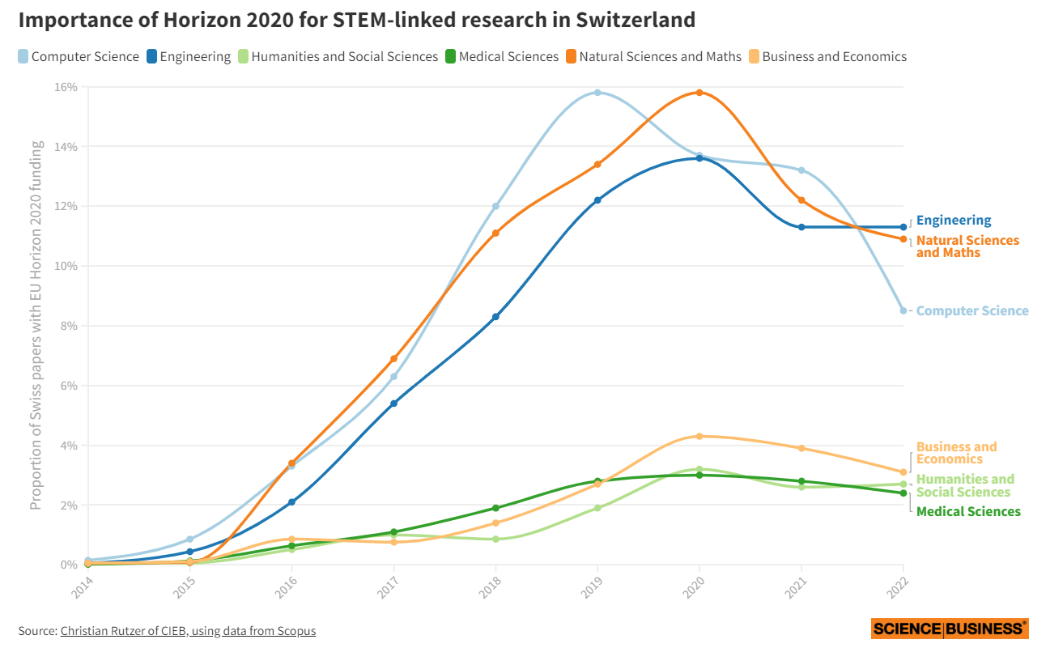
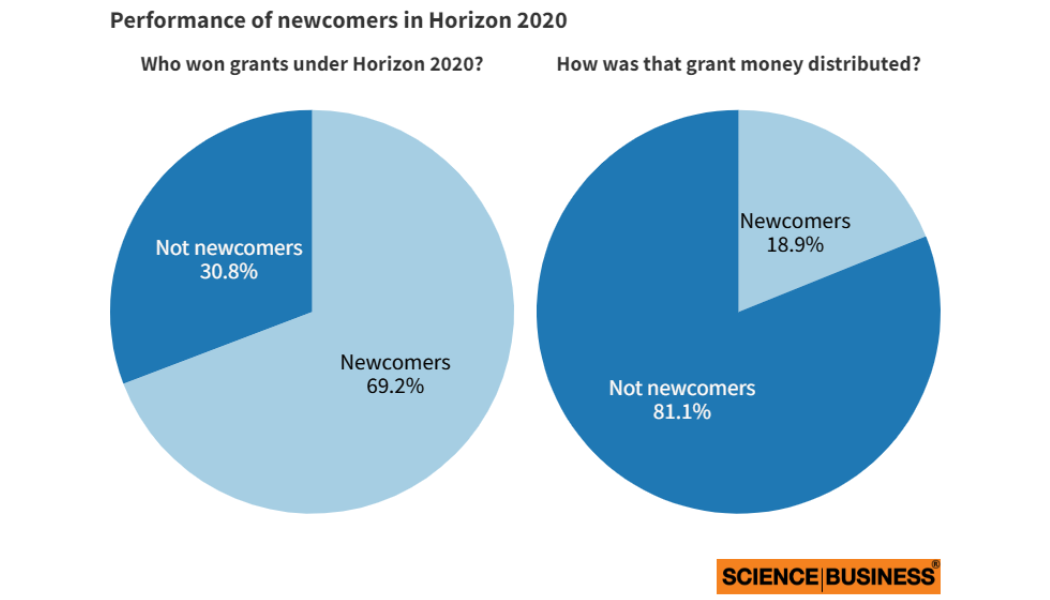
Non-association to Horizon Europe could have a disproportionate effect on fields such as computer science, engineering and life sciences that are the engine of innovation in Switzerland, according to an analysis of the country’s participation in the previous programme, Horizon 2020.
The Swiss Federal Institute of Technology Lausanne (EPFL) has released new data showing the damage done to links with the EU by Switzerland’s continued lack of association to Horizon Europe.
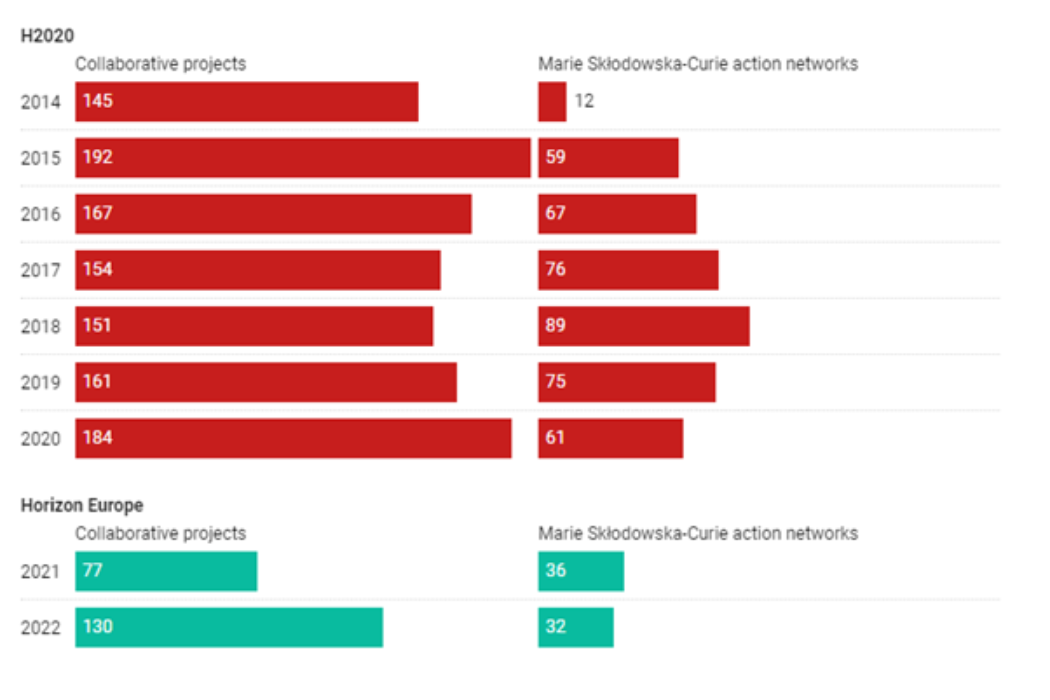
Swiss researchers are blocked from applying to the European Research Council. But they can still apply to collaborative projects in Horizon Europe, with the Swiss government funding their share of the costs.
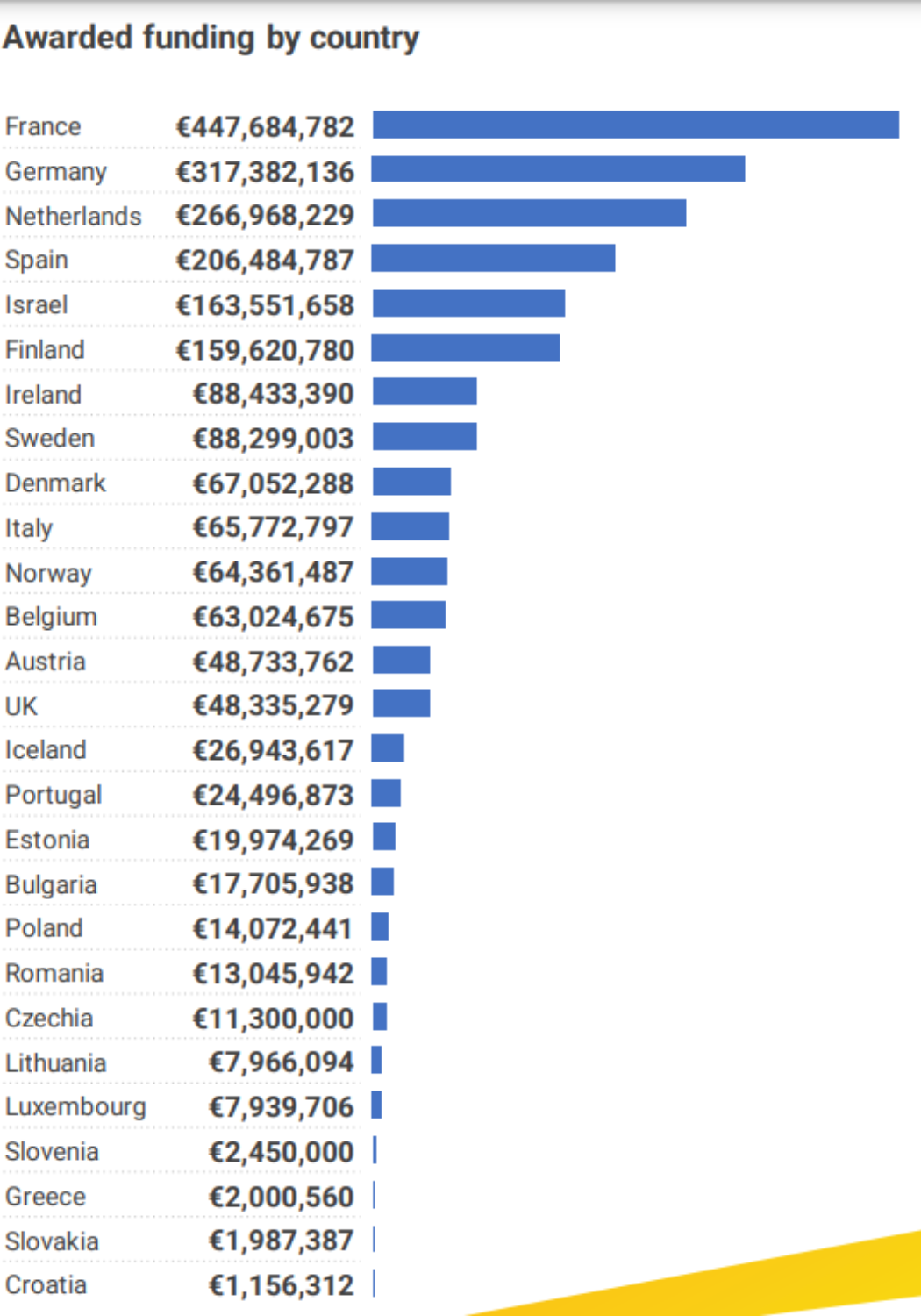
French companies are the biggest winners in Horizon Europe’s €7 billion start-up funding scheme, the EIC Accelerator, having secured €447 million in funding in the first two years.
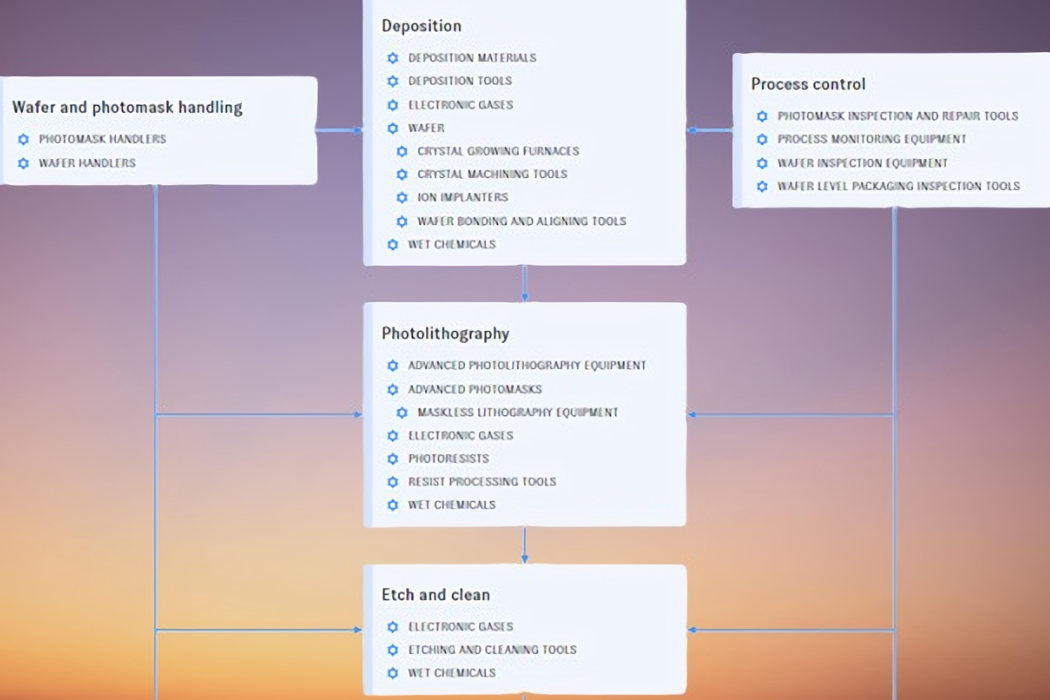
A US-based think tank has released an interactive website setting out all the steps in the fiendishly complex process of producing logic chips, a geopolitically crucial type of semiconductor that powers smartphones, supercomputers and weapons.
The Supply Chain Explorer explains every step of the process, from chip design to final testing, and shows which countries and companies play what role in each stage.
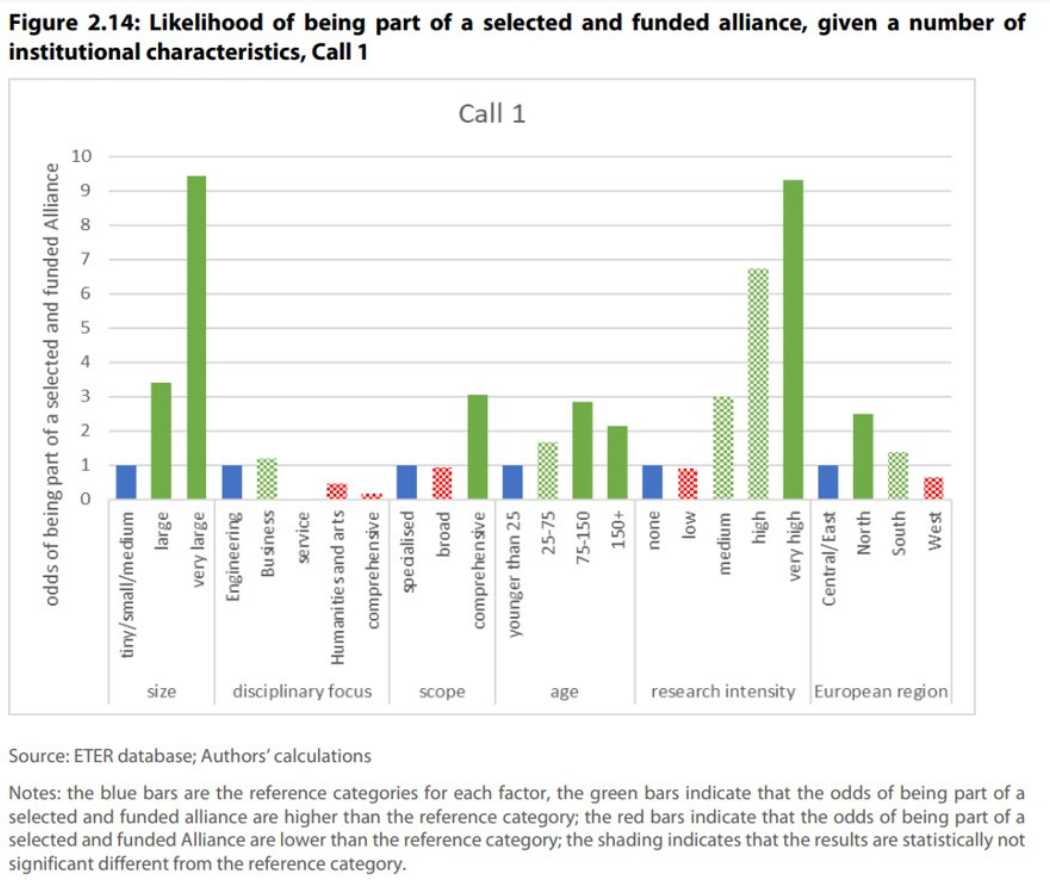
Very large and research-intensive universities are more likely to be selected and funded as part of the European University Alliance initiative, according to a new report.
In the first alliances call, launched in 2019, universities that were more likely to get selected also tended to be over 75 years old and offer programmes in more than eight disciplines.
Receive the Funding Newswire [full access requires a subscription] each Tuesday, our Policy Bulletin each Thursday, and the fortnightly R&D Express, tracking reforms and investments in central and eastern Europe.

A unique international forum for public research organisations and companies to connect their external engagement with strategic interests around their R&D system.