The EU is stepping up spending across the entire microchip ecosystem, rather than just manufacturing

Photo credits: Malta Tourism Authority
A year ahead of the revision of the European Chips Act, Europe is investing heavily in its semiconductor ecosystem. But more may be needed.
The European Commission says the Act, which was adopted in 2023, has prompted more than €80 billion in chip-related investments to-date—almost twice the €43 billion the Commission hoped to mobilise. Nevertheless, Europe has continued to watch its global share of chip production hover around 10% as other countries have invested just as heavily, amid intense global competition for the most advanced microchips for data centres, artificial intelligence and defence, among other applications.
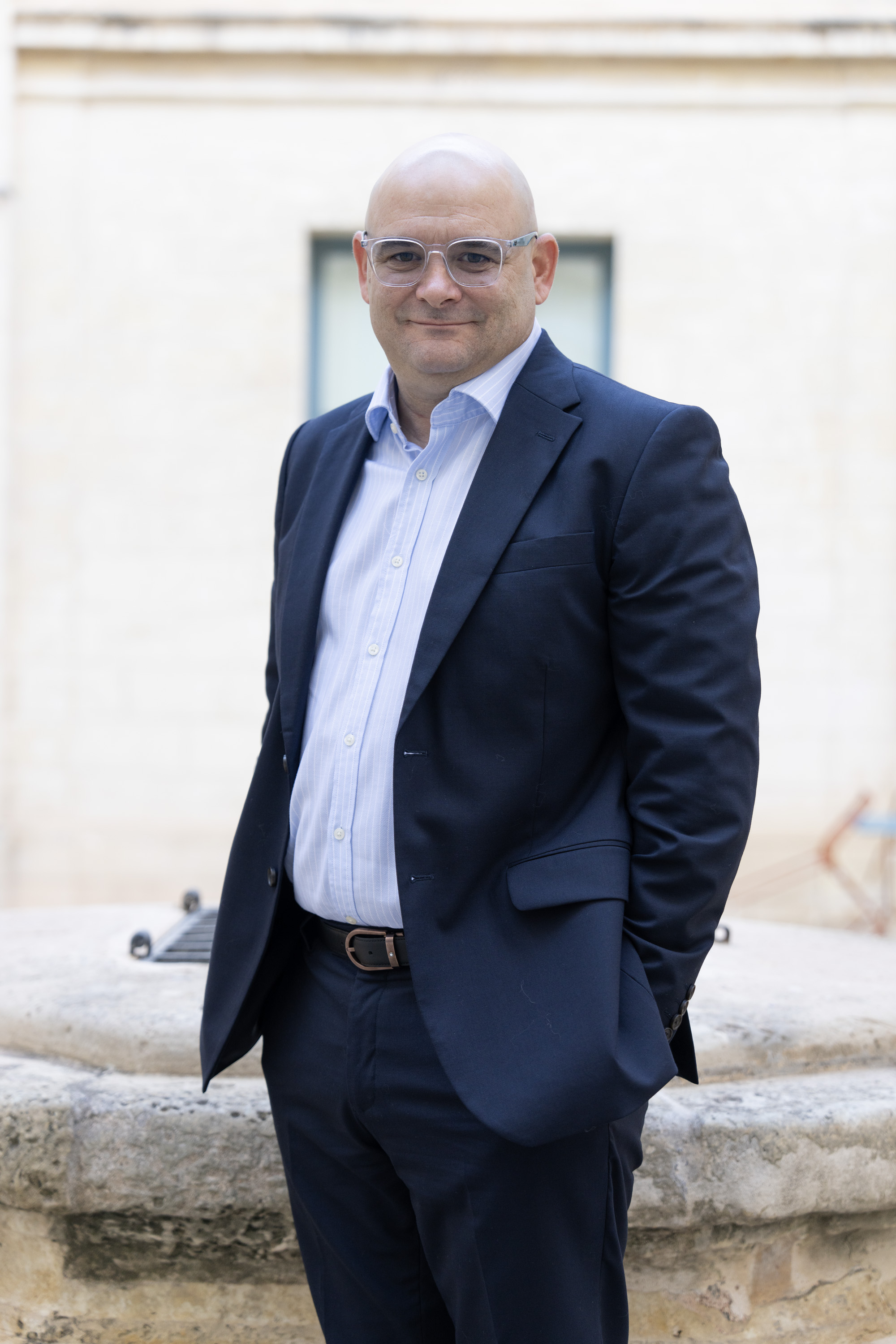
CEO of Malta Enterprise
“The main challenge lies in attracting both public and private investment to scale up additional capacity quickly,” George Gregory, CEO of Malta Enterprise, the country’s economic development agency, said in an interview. Microchip factories require small armies of skilled workers, access to very specific raw materials, and low energy costs—all of which are in short supply across Europe. With respect to costs of doing business, Malta stands out as an attractive location amongst other member states. Electricity prices in Malta are around 18% less than in the eurozone. Wages and salaries in Malta’s manufacturing sector are also 41% lower than the average prevailing in the eurozone.
As a result, Europe finds itself making substantial investments in a supportive ecosystem of which outright chip manufacturing is just a part. Many of the new investments fall into the categories of pilot production lines, chip design and competence centres. Increasing industrial-scale manufacturing is a longer-term goal.
Designed to prevent a repetition of supply chain disruptions sparked by the COVID-19 crisis, the European Chips Act set out to bring semiconductor manufacturing back to Europe after decades of increasing outsourcing. The effort is driven by the Chips Joint Undertaking, which aims to rally public and private resources to the cause.
The initial €43 billion target included a combination of investments by the European Union, EU member states and the private sector. Recent Commission data suggests the total investment committed may reach €100 billion by 2030, as individual member states and global tech giants launch new facilities and R&D centres across the region.
Billions of euros are being committed
Flagship investments are springing up across the continent: In Dresden, Germany, the European Semiconductor Manufacturing Company (ESMC)—a joint venture including TSMC, Bosch, Infineon, and NXP—is planning a new factory expected to require over €10 billion in combined investment, half of which is backed by public funding. The plant—70% of which will belong to TSMC—will manufacture advanced chips to supply Europe’s automotive, industrial, and AI sectors. It is applying for official status as an “Open EU Foundry” under the Chips Act.
France is supporting a €2.9 billion project with STMicroelectronics and GlobalFoundries to create next-generation chip manufacturing in southeastern France, while Italy has green-lit a €2 billion state aid package for STMicroelectronics’ new SiC facility in Catania. Austria, meanwhile, has provided €227 million in public funding for the expansion of a semiconductor manufacturing plant owned by ams OSRAM. A private investment plan could add another €567 million by 2030.
On the ecosystem side, TSMC, the world’s leading contract chipmaker, is opening a European design centre in Munich, which is expected to significantly accelerate chip design and innovation for European partners.
Europe’s smaller countries can play a strategic role
While the largest factories are being built in Europe’s industrial heartlands, smaller countries, such as Malta, also play a part in the continent’s high-tech ecosystem. STMicroelectronics’ facility has operated a microchips plant in Malta since 1981. It recently completed its largest-ever expansion, making it the most advanced chip backend manufacturing plant in the EU and transforming Malta into a high-value hub for chip assembly and packaging.
“Malta Enterprise plays a key role in de-risking projects to attract private investment,” said Gregory. “By supporting start-ups, SMEs, and EU initiatives, we ensure that public funds are used strategically to catalyse innovation, create high-value jobs, and position Malta as a credible player in Europe’s semiconductor value chain.”
For example, Malta is actively participating in the Important Projects of Common European Interest (IPCEI) on Microelectronics and Communication Technologies, a Europe-wide initiative that funds R&D and innovation projects in cutting-edge microelectronics. The IPCEI project in Malta focuses on enhancing semiconductor manufacturing processes, integrating advanced automation and developing new technologies for automotive, industrial, and consumer applications.
Gregory sees Malta’s innovation model as an inspiration for the continent: “What matters is having the innovation, talent, and technology available at the heart of Europe,” he said. “Ensuring this access is critical not only for technological advancement but also for the economic stability and well-being of the European Union.”
Moreover, Malta’s experience shows how small countries, which make up the majority of the European Union’s 27 member states, can play outsized roles in helping Europe become more competitive in the global chips race. “While Malta’s projects may be smaller in scale, they are highly strategic,” he said, adding that small countries are more willing and likely to pull out all the stops for trophy investors than bigger countries.
“Smaller jurisdictions can act with greater agility, ensuring regulatory frameworks are in place and implemented more quickly than might be possible in larger countries,” Gregory noted. “This allows Malta to rapidly adapt, pilot innovation, and develop niche capabilities, such as advanced packaging,” thereby helping to fuel investment in Europe’s expanding semiconductor ecosystem.

 Receive the Funding Newswire [full access requires a subscription] each Tuesday, our Policy Bulletin each Thursday, and the fortnightly R&D Express, tracking reforms and investments in central and eastern Europe.
 A unique international forum for public research organisations and companies to connect their external engagement with strategic interests around their R&D system.