A Competitiveness Fund governance exercise has left the Commission’s research directorate worried, internal memo shows
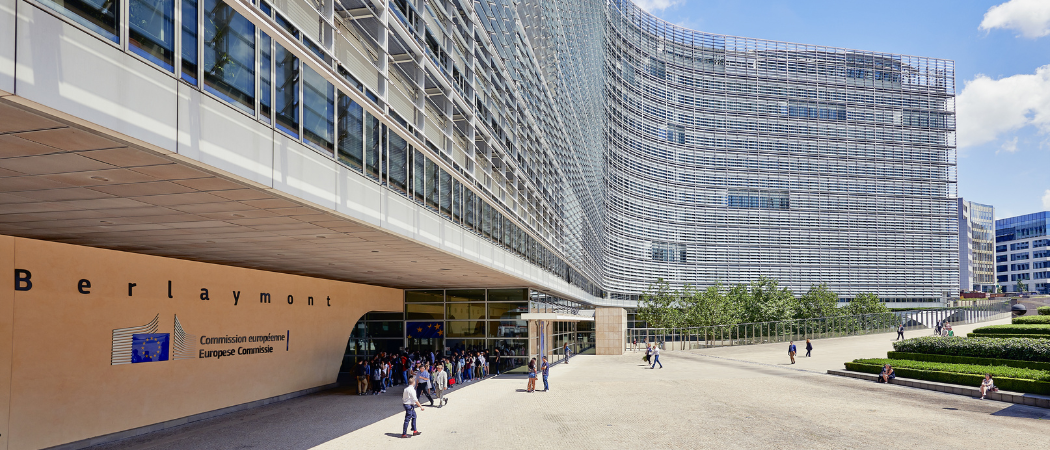
European Commission’s Berlaymont building. Photo credits: Bombaert Patrick / Big Stock
In the first half of 2026, the European Commission ran an exercise developing mock work programmes for the new European Competitiveness Fund (ECF). For the directorate responsible for research, the results were worrying.
In a leaked document seen by Science|Business, which details feedback on the exercise from DG RTD, the Commission’s research directorate, bureaucrats point to a lack of structured priority setting, unilateral decision-making and a lack of consistency.
This was the Commission’s first trial of a process for creating work programmes through which the EU will distribute billions of euros in funding each year under the new ECF. It involved several Commission directorates and was coordinated by the directorate for the internal market, DG Grow.
In the exercise, DG RTD was assigned “a general coordinator role” for the Horizon Europe part of the ECF, meaning its job was to manage the proposed €68 billion collaborative research component of the fund.
Under each of the four “policy windows” of the proposed programme, it was tasked with co-drafting plans for calls for projects in collaboration with sector-specific Commission directorates, covering environmental, health, digital and defence topics.
But it was not smooth sailing for the research group, which reported that most other directorates involved did not follow their lead. “One of the most significant lessons from the mock exercise was the lack of consistent recognition of RTD’s coordinating and consolidating role for the Horizon Europe component,” RTD says in the feedback document.
It further warns that if DG RTD, which is responsible for EU research policy, is not sufficiently involved in the drafting of work programmes, there is a “risk that deployment focus would sideline key research priorities,” such as AI in science, health and climate science, as well as skew the funding offer towards close-to-market applied research and innovation opportunities.
Why is this an issue?
In the next EU budget cycle, starting in 2028, the Horizon Europe programme for collaborative research and innovation will be absorbed by the ECF. While most of Horizon Europe will remain relatively independent of the ECF, its Pillar 2 for collaborative research will be programmed in line with the four ECF policy windows, designed to get technology to the market. In practice, the collaborative research calls will have “a specific dedicated part” within the ECF work programmes.
This proposed arrangement has not been popular with the research community, with many concerned that EU research programming will be influenced too much by industry needs, with funding directed towards close-to-market technologies.
How market-oriented the programming will be is likely to depend on who calls the shots on the ECF work programme inside the Commission.
The proposal for the ECF, and Horizon Europe within it, was drafted by DG Grow. The directorate also coordinated the mock exercise. Its expertise mainly lies in dealing with industry-oriented programmes, but its deputy director-general Maive Rute has repeatedly assured researchers that the ECF will not be a top-down policy tool to unilaterally set R&D funding topics.
And it may be that DG Grow will not be put in charge of the wider programme. This spring, reports appeared that the Commission may establish a new, centralised DG Invest, tasked with managing the entire ECF. The new DG would absorb several directorates, including DG RTD.
Some university lobbies fear this merger could result in a loss of specialised knowledge among officials who have managed research funds for decades.
Related articles
- Rumoured overhaul of Commission research directorate gets mixed response
- EU member states make bid to shape ECF priorities
- Parliament shares alternative vision for ECF link with Horizon Europe
The European Parliament, which must approve the regulation for the ECF and Horizon Europe, has yet another vision for their governance. Christian Ehler, the Parliament’s rapporteur for the legislative file, wants the EU to create independent expert councils that would guide the development of Pillar 2 work programmes.
“Pillar 2 needs to be aligned with the ECF, but it cannot be dominated by it,” Ehler has said. “It needs to be designed to foster frontier collaborative research and innovation.”
The largely negative feedback on the mock governance exercise suggests that DG RTD also has concerns that the governance of the ECF will fall into the hands of bureaucrats who do not have much experience with research policy.
The exercise
The mock exercise tested what developing work programmes would look like under the current Commission structure. It was coordinated by DG Grow, with DG RTD taking the driver seat on the dedicated collaborative research part of the work programme.
According to the DG RTD feedback, the directorate for the clean transition, DG Clima, was the only one to actively engage with it in drafting the work programmes.
DG Sante, which oversees health, involved DG RTD in the drafting and consolidation of the topics, but its impact was limited due to the health directorate’s top-down approach to the process.
The directorate for digital leadership, DG Connect, meanwhile, failed to include DG RTD in the coordination of priorities and actions, and only involved it in later stages.
Similarly, the directorate for defence and space, DG Defis, almost entirely excluded DG RTD. “Defis outlined that it did not consider RTD knowledge to be needed for priorities setting,” DG RTD comments suggest.
Overall, DG RTD ruled that both informal governance and top-down decision-making in governing the new fund were “suboptimal” and called for clearer rules and procedures to be introduced to the process. These, the document argues, would have allowed DG RTD to provide thematic, legal and financial expertise, which it amassed over the years of governing the long-running research programme.
“The set up of the mock exercise did not allow for structured priority setting and arbitration mechanisms for setting priorities and resolving conflicts between [directorates],” the internal memo says. “Priority-setting was often top-down and not evidence-based, without gap analysis, objectives, or integration of feedback-to-policy inputs to inform topic selection.”
In the leaked memo, DG RTD provides several recommendations for improvements, including:
- The directorate should have a clear co-lead role for all policy windows, with a coordinating and consolidating role on research and innovation priorities
- The ECF needs a well-established single governance, with clearly defined roles, procedures and collaborative decision-making structures
- The ECF should leave enough space for “non-competitiveness focused” research and innovation activities.
Science|Business has not seen feedback on the exercise from other directorates, nor an evaluation of the results of the exercise. The Commission declined to provide a comment on the exercise.


 Receive the Funding Newswire [full access requires a subscription] each Tuesday, our Policy Bulletin each Thursday, and the fortnightly R&D Express, tracking reforms and investments in central and eastern Europe.
 A unique international forum for public research organisations and companies to connect their external engagement with strategic interests around their R&D system.